
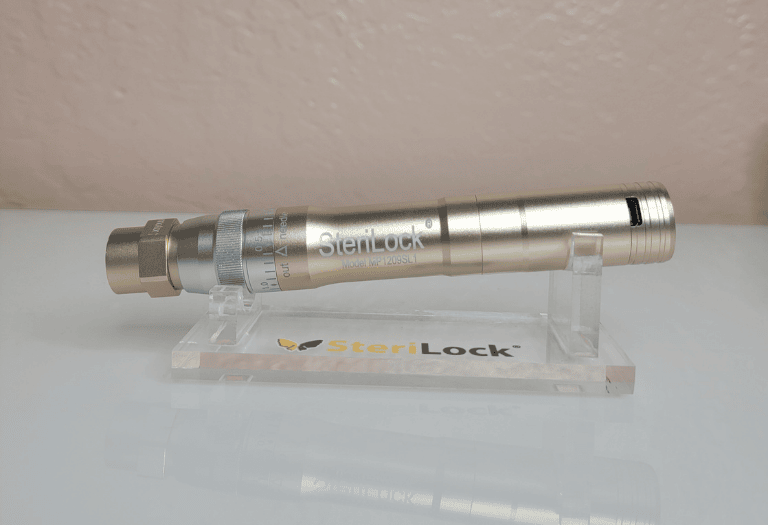
Microneedling has become one of the most popular skincare treatments in recent years, offering a wide range of benefits for the skin, from improving texture and tone to reducing scars and fine lines. The treatment involves using a device with fine needles to create tiny punctures in the skin, stimulating collagen production and encouraging the skin’s natural healing processes.
With the increasing demand for more accessible skincare solutions, at-home microneedling devices have also gained popularity. But is it safe to perform microneedling at home, or is it best to leave it to the professionals? In this blog, we’ll explore the key differences between at-home and professional microneedling, the risks involved, and why a professional treatment might be your best bet for achieving the best results.
What is Microneedling?
Microneedling, also known as collagen induction therapy, is a minimally invasive treatment that uses small needles to create micro-injuries in the skin. This triggers the body’s healing response, stimulating collagen and elastin production, which can improve skin texture, reduce fine lines, minimize pores, and even out skin tone. The process can be performed on the face, neck, and other areas of the body.
The goal of microneedling is to encourage the skin’s natural healing process, which over time can result in smoother, more youthful-looking skin. The key to its success lies in the depth of the needles used and the skill of the person performing the procedure.
At-Home Microneedling: What You Need to Know
In recent years, at-home microneedling tools, such as dermarollers, have become widely available, offering a more affordable option for those looking to try microneedling in the comfort of their own home. These tools typically use shorter needles (0.25mm to 0.5mm) and can be purchased over-the-counter or online.
The Pros of At-Home Microneedling:
- Affordability: At-home devices are generally much cheaper than professional treatments. They offer a budget-friendly option for people who want to try microneedling without committing to the cost of a professional session.
- Convenience: At-home microneedling allows for the flexibility of performing the treatment on your own schedule, in the comfort of your own home.
- Less Downtime: Because the needles are much shorter, at-home microneedling usually involves little to no downtime, with any redness or irritation typically dissipating within a few hours.
The Cons of At-Home Microneedling:
- Limited Results: The needles in at-home devices are much shorter than those used in professional treatments, meaning they can only penetrate the skin’s surface to a limited depth. This limits their effectiveness, especially when it comes to treating deeper wrinkles, scars, or stretch marks.
- Risk of Infection: One of the biggest concerns with at-home microneedling is the risk of infection. If the device is not properly sanitized, or if the skin is not adequately cleaned before the procedure, bacteria can enter the micro-injuries, leading to infections and even scarring. The actual roller or device might not be FDA-approved, and there’s no guarantee it has been properly cleaned—let alone sterilized. In fact, many of these tools are mass-produced in poorly regulated facilities, sometimes resembling sweatshops, where they may be exposed to dust, dirt, animals, or even human body fluids during packaging or shipping.
What many people don’t realize is that proper sterilization is a complex, expensive medical process. To sterilize even a small one-inch device using industry-standard methods like autoclaving or EO (ethylene oxide) gas, the cost in the United States typically ranges from $15 to $25 per item, due to strict regulations, validated equipment, and labor costs.
In comparison, in developing or low-income countries, the same process may cost only $1 to $3, but with significantly lower oversight, questionable quality standards, and a higher risk of improper sterilization. This disparity is exactly why counterfeit or black-market tools can be so dangerous—they may look clean, but that doesn’t mean they’re safe. - Improper Technique: Without professional training, there is a risk of performing the treatment incorrectly, which can lead to uneven results, excessive irritation, or damage to the skin. Using excessive pressure or rolling too many times in the same area can cause more harm than good.
- Not Suitable for Everyone: At-home devices may not be safe for people with sensitive skin, active acne, rosacea, or certain skin conditions. Without proper guidance, individuals may exacerbate their skin issues.
Professional Microneedling: The Benefits of a Licensed Medical Provider
When it comes to professional microneedling, you’re putting your skin in the hands of experienced licensed practitioners who have been trained to use the appropriate techniques and tools. Professional treatments are usually performed by licensed dermatologists, estheticians, nurses, or nurse practitioners who have an in-depth understanding of skin anatomy and the right techniques to ensure optimal results.
The Pros of Professional Microneedling:
- Deeper Penetration: Professional FDA-approved microneedling devices use longer needles (typically ranging from 0.5mm to 2.5mm), allowing for deeper penetration into the dermis. This means that the treatment can target more complex skin issues, such as deep wrinkles, acne scars, stretch marks, and hyperpigmentation. It provides more noticeable and longer-lasting results compared to at-home treatments.
- Customization: A licensed professional will assess your skin type, goals, and concerns before starting the treatment. They can tailor the microneedling procedure to your specific needs, adjusting needle depth and technique accordingly.
- Safer Treatment: Professional medical-grade microneedling takes place in a sterile, controlled environment, reducing the risk of infection or complications. In addition, licensed practitioners are trained in proper sanitation techniques and can provide guidance on post-treatment care to minimize the risk of side effects.
- Advanced Equipment: Professionals must use FDA-approved medical-grade devices, which are more precise and effective than at-home tools. These devices are equipped with advanced technology that ensures a consistent and controlled treatment for even results. It is recommended to ask what device is used to ensure you are trusting someone licensed with a regulated and FDA-approved device.
- Faster Results: Because professional microneedling reaches deeper layers of the skin, it triggers a stronger collagen production response. This leads to faster, more visible results. Many patients see improvements after just one session, with full results developing over the following weeks.
The Cons of Professional Microneedling:
- Cost: Professional microneedling is significantly more expensive than at-home treatments. Multiple sessions may be required to achieve optimal results, which can add up in cost over time.
- Downtime: Although professional microneedling is a minimally invasive procedure, there may be some downtime involved. Patients may experience redness, swelling, and mild discomfort for a few days following the treatment. However, this is generally short-lived and can be managed with proper aftercare.
- Increased Risk of Side Effects: While rare, there is a slightly higher risk of side effects, such as scarring, hyperpigmentation, or bruising, when microneedling is performed by a professional. This is typically due to improper technique or post-treatment care, which is why it’s essential to choose a skilled, licensed, and experienced provider.
Which Is Better: At-Home or Professional Microneedling?
Both at-home and professional microneedling have their advantages and drawbacks. At-home microneedling is a cost-effective and convenient option for those who want to enhance their skincare routine without spending a lot of money. However, it offers limited results, and the risk of infection or improper use is much higher.
On the other hand, professional microneedling provides more dramatic and long-lasting results, especially for individuals with more complex skin concerns. It is performed in a controlled, sterile environment by a trained and licensed practitioner who can ensure safety and effectiveness.
If you’re looking for noticeable improvements in skin texture, scarring, or signs of aging, professional microneedling is the better choice. It’s always a good idea to consult with a licensed skincare professional to determine the best approach for your unique needs and skin type.
Conclusion: Make an Informed Decision
If you’re considering microneedling, it’s essential to weigh the pros and cons of both at-home and professional treatments. While at-home devices are a more affordable and convenient option, professional medical-grade microneedling offers more profound benefits, enhanced safety, and faster results.
At Bella MedSpa in Tempe, AZ, we offer professional medical-grade microneedling treatments using a FDA-approved device, SkinStylus, and techniques, ensuring optimal results for all of our patients. Our skilled practitioners are dedicated to providing a safe, effective, and customized experience tailored to your skin’s needs.
If you’re ready to experience the benefits of professional microneedling, schedule a consultation on our booking link with us today to learn how we can help you achieve your skincare goals.
References:
- American Academy of Dermatology. (2021). Microneedling. Retrieved from aad.org
- U.S. Food and Drug Administration (FDA). (2020). Microneedling: A Comprehensive Guide. Retrieved from fda.gov
- Mayo Clinic. (2021). Microneedling: Benefits, Risks, and Side Effects. Retrieved from mayoclinic.org


